Jakarta — January 2, 2026 marked the beginning of a new era in Indonesia’s criminal justice system. The Government of Indonesia has taken a major reformative step with the entry into force of the National Criminal Code (KUHP), the Criminal Procedure Code (KUHAP), and Law No. 1 of 2026 on Criminal Adjustment.
Minister of Law Supratman Andi Agtas described the moment as historic, as Indonesia officially moves away from a colonial-era criminal justice system toward a modern framework rooted in the nation’s values. Criminal law is no longer viewed as a tool of retribution, but as an instrument to deliver justice, promote recovery, and protect human rights.
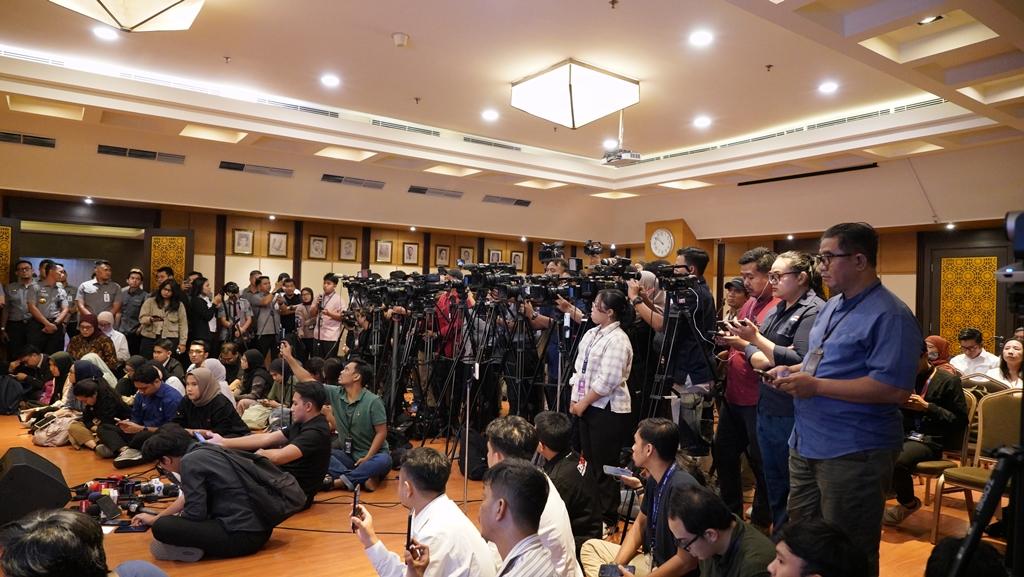
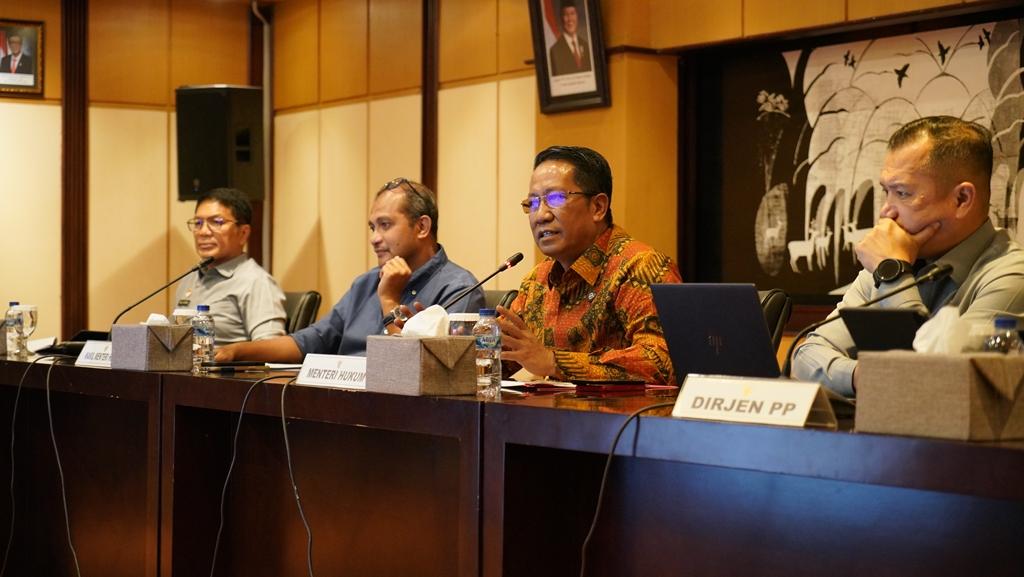
“One key difference from the previous system is that imprisonment is no longer the primary focus. The National Criminal Code aims not only to restore justice for victims, but also to give offenders an opportunity to change, reintegrate into society, and contribute positively,” Supratman said at the Ministry of Law on Monday (January 5, 2026).
He explained that the new KUHP makes Indonesia’s criminal justice system more humane through the introduction of a dual-track system, combining criminal sanctions and corrective measures. Under this approach, judges may impose criminal penalties and measures simultaneously, criminal penalties without measures, or measures without criminal penalties."
Other major reforms under the National Criminal Code include the elimination of the distinction between “crimes” and “violations,” recognition of living law, designation of corporations as subjects of criminal liability, reclassification of criminal fines, and the regulation of the death penalty with a probationary period.
In addition, the Minister of Law clarified several crucial issues emerging in society, including those related to insults against the President and state institutions. Supratman emphasized that these provisions are not intended to suppress freedom of expression regarding government policies. To guarantee the freedom of criticism and expression, these provisions are restricted to complaint-based offenses (delik aduan), which must be filed in writing by the President, the Vice President, or the heads of state institutions.
On the issue of public demonstrations, Supratman stressed that the National Criminal Code guarantees the right to protest. Individuals who have submitted prior notification of a demonstration cannot be criminally prosecuted.
“Even if certain impacts occur, such as public disturbances, demonstrators cannot be prosecuted as long as prior notification has been provided,” he said.
From a procedural standpoint, the new KUHAP introduces reforms across six key areas: restorative justice mechanisms, limited and accountable regulation of crown witnesses, guilty pleas, corporate criminal liability, deferred prosecution agreements, and the strengthening of the technology-based integrated criminal justice information system.
Supratman explained that the revised KUHAP reinforces human rights protections from the earliest stages of legal proceedings, including the right to legal counsel, prohibition of torture and intimidation, mandatory recording of interrogations, and humane and fair treatment.
“The State guarantees protection, assistance, and fulfillment of special needs for witnesses and victims, including women and persons with disabilities, to ensure that legal proceedings can take place without discrimination or access barriers. The role of advocates throughout all stages of the criminal process,” he added.
The new KUHAP further enhances oversight through an expanded pre-trial mechanism, allowing judicial review of suspect designation, asset freezing, seizure, termination of investigations or prosecutions, as well as other actions by authorities that potentially violate rights, as a form of effective judicial oversight.
Oversight is also conducted through the role of advocates in filing objections during the criminal process and regulations on indemnification, rehabilitation, restitution, and compensation.
“The KUHAP provides a strong legal foundation for restoring the rights of victims and affected parties, including indemnification and rehabilitation for wrongful arrest or prosecution, restitution by offenders, and compensation by the State when offenders are unable to pay,” Supratman explained.
The third reform instrument is the Law on Criminal Adjustment. According to the Minister, criminal adjustments are necessary to align with the entry into force of the KUHP and KUHAP. These adjustments are applied to sectoral laws outside the KUHP, regional regulations, and several provisions within the KUHP itself.
“One critical issue addressed through criminal adjustment is narcotics-related offenses, aimed at reducing overcrowding in correctional facilities. Adjustments were also made to ensure that all death penalty sentences are imposed with a probationary period,” he said.
Supratman acknowledged that drafting the three laws was a complex and lengthy process. However, broad collaboration and public participation made the reforms possible.
“We went through extensive stages before these three laws came into force. The KUHP alone was socialized over three years starting in 2023. We held numerous discussions, focus group discussions, public consultations, seminars, and public hearings with academics, legal experts, the media, civil society organizations, and related state institutions. Our hope is that Indonesia’s legal system becomes more responsive to the needs of a changing era,” he concluded.