 \
\
Bandung — The death penalty in Indonesia has officially transitioned from being a primary penalty to a "special penalty," a shift that includes a mandatory ten-year probationary period.
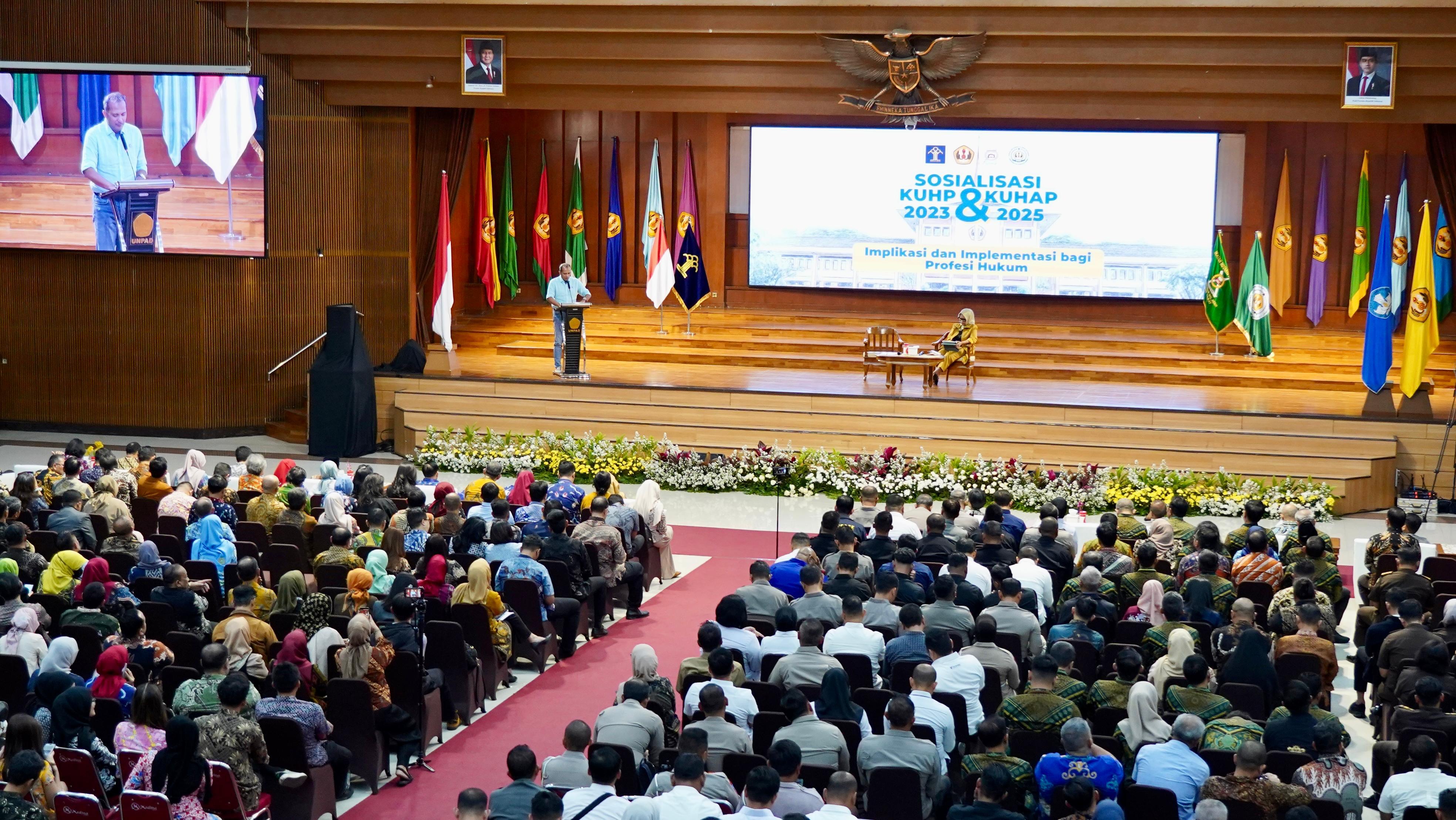
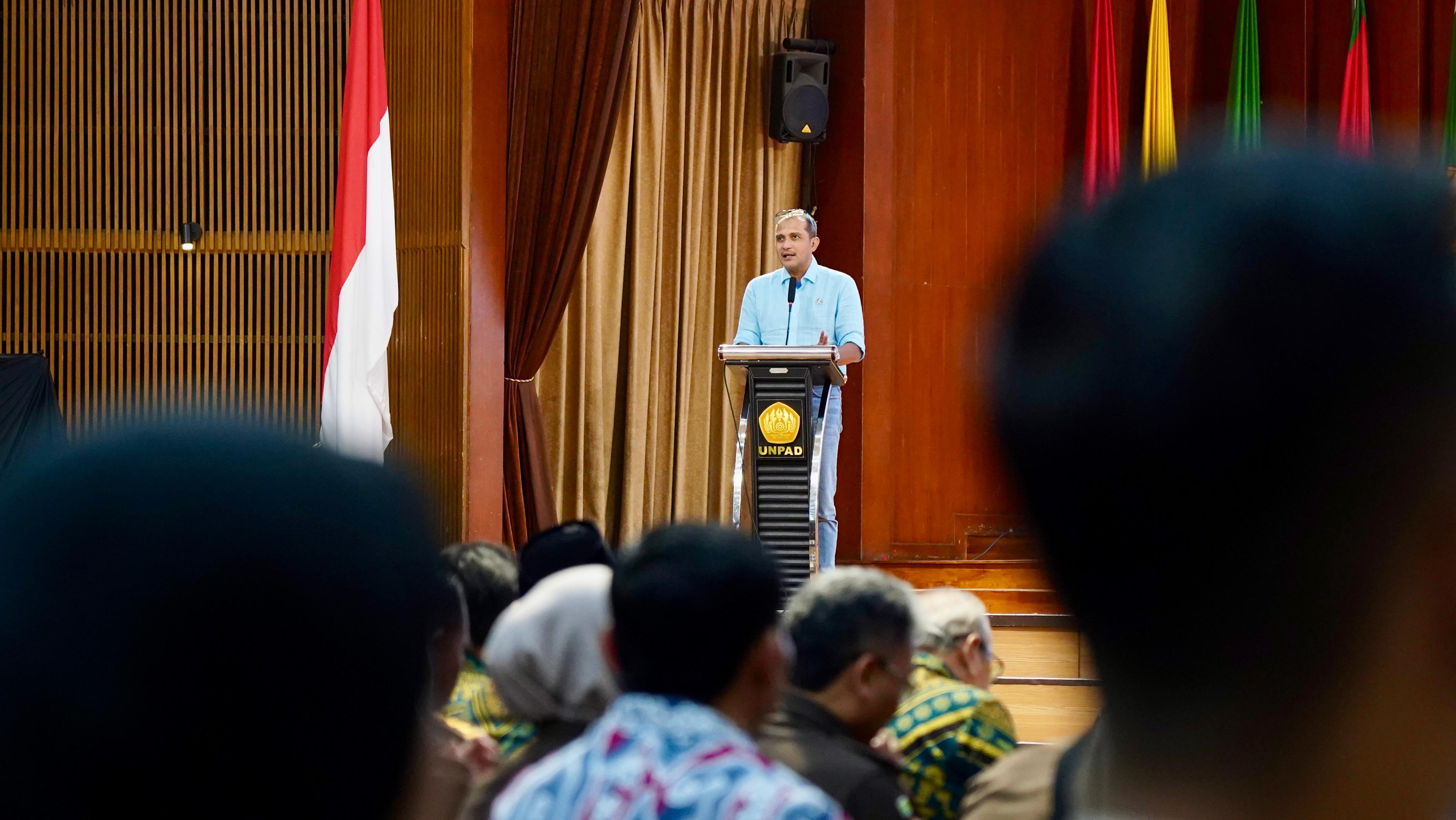
“The lawmakers adopted a middle ground, a win-win solution. The death penalty remains in place, but it must be accompanied by a 10-year probation period. If the death row inmate demonstrates good behavior, the sentence may be commuted to life imprisonment. That is the historical rationale for why the death penalty is still retained,” the Vice Minister of Law explained while speaking at the dissemination event on the 2023 Criminal Code (KUHP) and the 2025 Criminal Procedure Code (KUHAP) at Padjadjaran University, Bandung, on Thursday (March 12, 2026).
Furthermore, the Vice Minister of Law explained that there are four categories of how countries around the world implement the death penalty.
First, there are countries that have completely abolished death penalty. Second, there are countries classified as de facto abolitionist, meaning they still retain the death penalty in their legislation but no longer carry out executions.
“So in practice, they have abolished the death penalty even though it still exists in their legal provisions and statutes. Which country is that? Belgium. Belgium still has the death penalty in its laws, but it has never enforced it, making it a de facto abolitionist,” Eddy stated.
Next, the Vice Minister continued, there are countries that continue to prescribe the death penalty for certain crimes, such as the United States. Finally, in the fourth category, there are countries that retain the death penalty but apply it under a framework similar to that found in Indonesia’s Criminal Code (KUHP). China is among these countries.
“That is why, if you look at the Constitutional Court Decision of 2006, it is stated that the death penalty may be imposed with a probationary period. In other words, it provides an opportunity for death row inmates to reform. As a result, the sentence can be commuted to life imprisonment,” Eddy said during the event themed “Implications and Implementation for the Legal Profession.”
Meanwhile, Universitas Padjadjaran’s Vice Rector for Academic and Student Affairs, Prof. Zahrotur Rusyda Hinduan, stated that reforms to the Criminal Code and Criminal Procedure Code mark an important step in the development of Indonesia’s criminal law, and that such forums serve as strategic platforms to deepen understanding and align perspectives among legal professionals. West Java’s Ministry of Law regional office head, Asep Sutandar, added that the event was a collaborative effort among various institutions aimed at strengthening legal awareness and capacity through cross-institutional synergy, with around 1,000 participants attending from diverse stakeholders including law enforcement, government bodies, academia, and professional legal organizations across West Jawa.